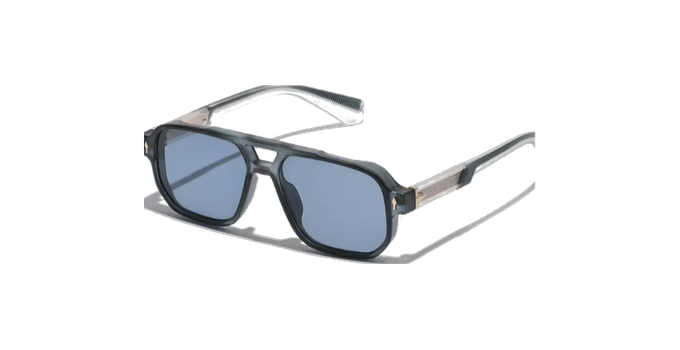
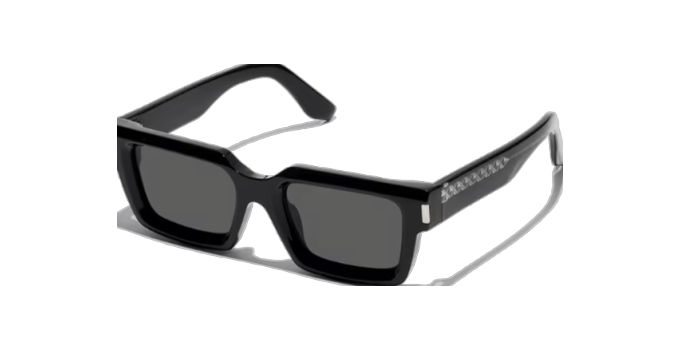
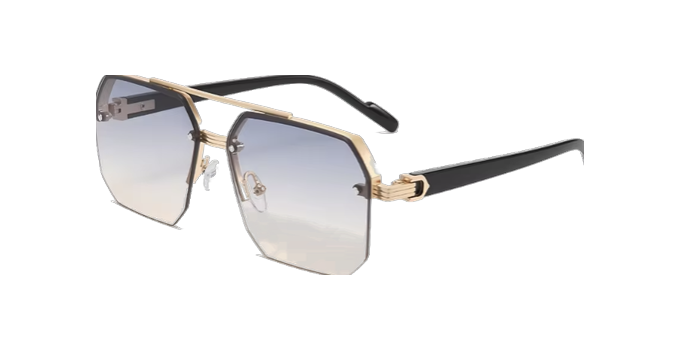
August 15, 2026 · 3 min read
What "100% UV400" Actually Means (and Why Every Label Claims It)
"100% UV400" is printed on the sticker of nearly every pair of sunglasses you'll ever pick up, from gas-station spinners to designer cases. That's not because every pair is equally good — it's because the claim is cheap to make and expensive to verify from the sales floor. Worth knowing what it actually means before you trust the sticker.
The number itself is simple
UV400 means the lens blocks light up to a wavelength of 400 nanometers, which covers essentially all UVA and UVB radiation — the two bands responsible for long-term eye damage, not just glare or discomfort. A lens either meets that threshold or it doesn't; there's no meaningful "partial" UV400. So the claim is binary, which is exactly why it's so easy to print on anything.
What it doesn't tell you
UV protection and lens darkness are unrelated. A very dark lens with no UV coating is worse for your eyes than a clear one with proper UV400 treatment, because the darkness makes your pupils dilate — letting in more of the UV light the tint didn't actually block. Color, tint, and mirror coatings are cosmetic. UV protection is a separate chemical treatment applied to or built into the lens material, and it's invisible. You can't tell by looking whether a lens has it.
It also says nothing about optical quality — a $15 lens and a $150 lens can both legitimately claim UV400 while distorting your vision very differently. That's a lens-material and manufacturing question, not a UV one.
Why it's worth checking anyway
The reason UV400 is worth confirming isn't that good brands are more honest — it's that the cheapest, least accountable sellers are the ones most likely to skip the treatment entirely while still printing the sticker, since nobody checks. Ask whoever you're buying from for the actual spec, not just the sticker. It's the one thing on the list that isn't about style at all.