August 26, 2026 · 3 min read
The 5-Barrel Hinge, Explained (and Why It's Not Just a Number)
"Five-barrel hinge" shows up on the details list for every Corvelle frame, right next to the case and cloth. It's easy to skim past as a spec-sheet number, the same way you'd skim past a screw count. It shouldn't be — it's closer to the difference between a door with one hinge and a door with three.
What a barrel actually is
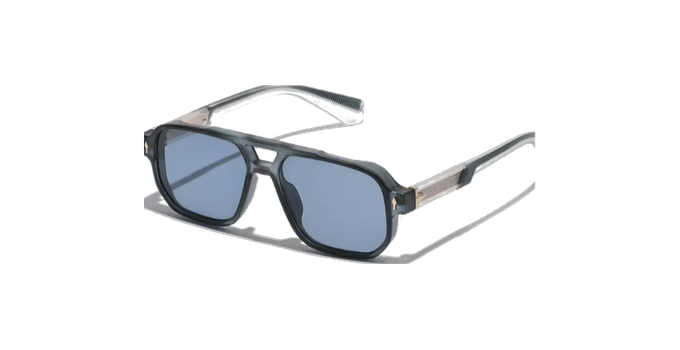
A hinge barrel is one of the small cylindrical knuckles that interlock where the temple arm meets the frame front, held together by a single screw running through all of them. Cheap frames typically use two or three barrels. Corvelle frames use five. More barrels means more interlocking surface area sharing the load every time the arm opens and closes, instead of concentrating that stress on one or two contact points.
Why that matters more over time than on day one
On day one, a two-barrel hinge and a five-barrel hinge feel identical — both open and close smoothly. The difference shows up at month eight, after a few thousand open-close cycles. A two-barrel hinge concentrates wear on a small contact area, so it loosens faster and the arm starts to droop or wobble. A five-barrel hinge spreads that same wear across more surface, so the loosening happens slower and more evenly.
It also loosens rather than fails. As covered in our piece on buying one good pair instead of five cheap ones, a five-barrel hinge that's gone slightly loose can usually be tightened with a small screwdriver in under a minute. A glued or riveted hinge on a cheap frame doesn't give you that option — it just eventually snaps.
The one thing to actually do about it
Check the hinge screws every few months, the same way you'd check the screws on a pair of glasses you wear daily. If an arm feels even slightly looser than it used to, a quarter-turn tightening now prevents the wobble from getting worse. It's a thirty-second habit that adds years to a pair you were already planning to keep for years.