August 26, 2026 · 4 min read
Acetate vs. Metal: How Each Frame Material Actually Ages
On the shelf, an acetate frame and a metal frame just look like two finish options. Worn daily for years, they age in genuinely different ways, and knowing which is which changes what "taking care of it" actually means.
Acetate ages by developing character, not damage
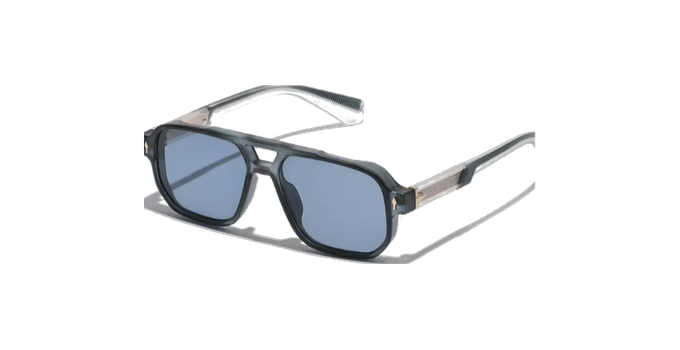
Acetate — the material behind The Solair's matte slate frame and The Windsor's black — is a cellulose-based plastic, not the cheap injection-molded plastic used in disposable sunglasses. It doesn't go brittle or yellow the way low-grade plastic does under sun exposure. What it does do, gradually, is pick up a faint sheen at the points that get handled most — the temple tips, the edges of the front frame — from the natural oils on your hands. That's not wear in the damage sense. It's closer to the way a leather wallet darkens at the corners: evidence of use, not deterioration.
Metal ages at the plating, not the structure
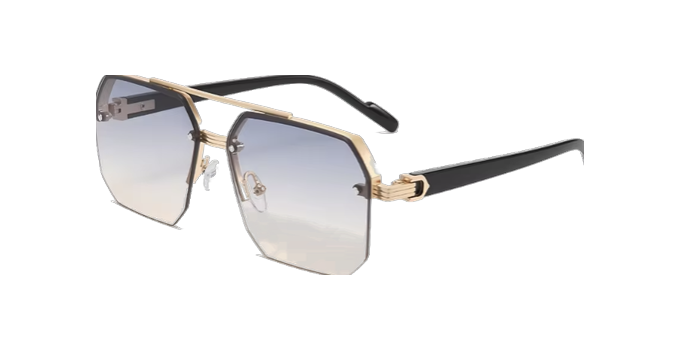
The Navigator's gold-tone finish is a plating over a base metal frame, which means its aging story is different: the structure underneath doesn't weaken, but the plating itself can wear thin at high-contact points over years — where the temples rest against your ears, where fingers grip it to put it on and take it off. That's normal for plated metal jewelry and eyewear alike, not a manufacturing flaw. It happens slower if you set the frame down gently rather than tossing it face-down on a hard surface, since that contact point takes the most repeated abrasion.
The rimless detail that actually needs attention
Because the Navigator's construction is rimless, the lenses are held by direct tension and screw pressure rather than sitting inside a full frame edge. That makes the hinge-and-lens screws worth checking periodically — the same habit covered in our piece on the five-barrel hinge — since a rimless build relies on those screws staying snug in a way a fully rimmed acetate frame doesn't.
What this means when you're choosing
Neither material is the "more durable" choice in an absolute sense — they just fail differently if neglected, and age differently if maintained. Acetate rewards being wiped down and kept out of direct heat. Metal rewards a periodic screw check and being set down rather than dropped. Both are built to be the pair you're still wearing in five years. They just get there by different routes.